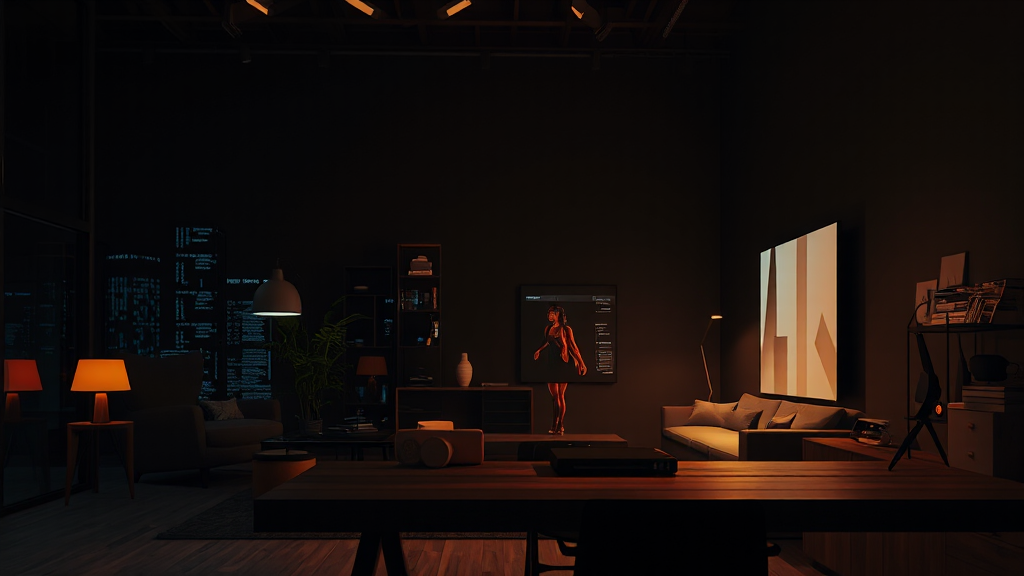
The Ultimate Guide to Benzi LED: Modern Lighting Solutions for Every Space
Lighting has evolved far beyond the simple incandescent bulb. Today, homeowners, designers, and business owners demand efficiency, durability, and style. Among the most versatile options on the market is benzi led, a flexible and powerful lighting solution that can transform any environment. Whether you are looking to highlight architectural features, create ambient glow, or improve task visibility, understanding the full potential of LED strip technology is essential. This comprehensive guide will walk you through everything you need to know about benzi LED, from its core benefits to installation tips, and how it compares with other popular lighting products like proiector led, aplica led, and spoturi led.
What Is Benzi LED and Why Is It So Popular?
Benzi LED refers to flexible LED strip lights that are mounted on a narrow circuit board. These strips come in various lengths, colors, and brightness levels, making them suitable for countless applications. Unlike traditional rigid fixtures, benzi LED can be cut to size, bent around corners, and adhered to almost any surface. This flexibility makes it a favorite among DIY enthusiasts and professional installers alike.
One reason for its widespread popularity is energy efficiency. LED technology consumes up to 80% less electricity than conventional bulbs while producing the same amount of light. Additionally, benzi LED strips have an exceptionally long lifespan—often exceeding 50,000 hours—which means fewer replacements and lower maintenance costs. They also emit very little heat, reducing the risk of fire hazards and making them safe for use near fabrics, wood, or plastics.
Another factor driving demand is the aesthetic appeal. Benzi LED can create seamless, even illumination without visible hotspots. This is particularly important for accent lighting, cove lighting, or under-cabinet installations. With options for RGB color changing, warm white, cool white, and tunable white, users can customize the mood of any room at the touch of a button.
Key Applications of Benzi LED in Residential Spaces
In homes, benzi LED is used to enhance both functionality and atmosphere. Kitchens benefit from under-cabinet strips that illuminate countertops for food preparation. Living rooms can feature cove lighting along the ceiling or behind TV units to reduce eye strain and create a cinematic experience. Bedrooms often incorporate dimmable strips behind headboards or along baseboards for a soft, relaxing glow.
Bathrooms are another excellent application. Water-resistant benzi LED can be installed around mirrors, vanities, or even inside shower niches to provide task lighting without harsh shadows. For staircases, strips can be recessed into steps to improve safety and add a modern touch. Home offices benefit from adjustable white strips that mimic natural daylight, boosting productivity and reducing fatigue.
Outdoor use is also possible with proper IP-rated strips. Patios, decks, and garden pathways can be lined with weatherproof benzi LED to extend living spaces into the evening. The flexibility of the strips allows them to follow the contours of railings, arches, or planters, creating a magical ambiance.
Commercial and Industrial Uses of Benzi LED
Beyond residential settings, benzi LED has become a staple in commercial environments. Retail stores use strips to highlight product displays, shelves, and signage. The even light distribution draws customers’ eyes to key merchandise without creating glare. In restaurants and bars, benzi LED sets the mood—warm tones for intimate dinners or vibrant colors for lively events.
Offices employ benzi LED in suspended ceiling grids or along corridor walls to provide uniform ambient light. This reduces shadows and improves visual comfort for employees. Warehouses and factories use high-brightness strips for task lighting on assembly lines or in storage racks. Because the strips can be cut to exact lengths, they fit perfectly into custom layouts without wasted energy.
Hospitality venues like hotels and spas integrate benzi LED into headboards, mirrors, and bathroom coves for a luxurious feel. The ability to dim or change color remotely via smart controllers adds a layer of convenience and personalization for guests. Even museums and galleries use benzi LED for accent lighting on artworks, as the low UV emission protects delicate materials.
Comparing Benzi LED with Proiector LED, Aplica LED, and Spoturi LED
While benzi LED is incredibly versatile, it is important to understand how it differs from other popular lighting types. A proiector led, for instance, is a high-intensity floodlight used for large area illumination, such as sports fields, parking lots, or building facades. It provides a wide beam angle and high lumen output but is not suitable for close-range accent lighting. In contrast, benzi LED excels in linear, low-profile applications where even, non-glare light is desired.
An aplica led is typically a wall-mounted fixture designed for ambient or decorative lighting. It may come in various shapes—round, square, or sculptural—and often serves as a statement piece. While aplica led fixtures offer style and directed light, they lack the flexibility of benzi LED strips. You cannot cut an aplica led to fit a specific length or bend it around a corner. For continuous lines of light, benzi LED is the better choice.
Spoturi led, or LED spotlights, are directional lights used to highlight specific objects or areas, such as artwork, countertops, or architectural details. They produce a narrow beam that creates dramatic shadows and focal points. However, spoturi led can leave dark gaps between fixtures if not spaced correctly. Benzi LED, on the other hand, provides a seamless ribbon of light that eliminates dark spots. For cove lighting or under-shelf illumination, benzi LED is far more effective than individual spotlights.
Each lighting type has its place. A well-designed lighting plan often combines benzi LED with proiector led, aplica led, and spoturi led to achieve layered illumination. For example, a room might use a proiector led for general ambient light, aplica led for wall washing, spoturi led for accenting a painting, and benzi LED for under-cabinet task lighting. Understanding these distinctions helps you select the right product for each purpose.
Installation Tips and Best Practices for Benzi LED
Installing benzi LED is a straightforward process, but attention to detail ensures optimal performance and longevity. First, measure the area where you plan to install the strip. Always order slightly more length than needed, as you can cut the strip at designated cut points (usually every few inches). Use a sharp pair of scissors to make clean cuts.
Surface preparation is critical. Clean the mounting surface thoroughly with isopropyl alcohol to remove dust, grease, or moisture. Most benzi LED strips come with a 3M adhesive backing, but for uneven or porous surfaces, use additional mounting clips or aluminum channels. Aluminum channels not only improve heat dissipation but also diffuse the light for a softer, more professional look.
Power supply selection is another key factor. Calculate the total wattage of your strips (watts per meter multiplied by length) and choose a power supply with at least 20% headroom. For example, if your strip draws 60W, use a 72W or higher power supply. This prevents overheating and ensures stable operation. Also, consider using a dimmer or smart controller if you want adjustable brightness or color.
Wiring connections must be secure. Solderless connectors are convenient, but soldering provides a more reliable long-term connection. Always double-check polarity (positive to positive, negative to negative) before powering on. For waterproof installations, use silicone sealant or heat shrink tubing over connections to protect against moisture.
Finally, test the strip before final mounting. Lay it out on the floor, connect the power, and verify that all sections light up evenly. If you are using RGB strips, test each color channel. Once satisfied, peel the backing and press the strip firmly into place. Avoid bending the strip too sharply—most strips have a minimum bend radius of about 2-3 cm.
Energy Efficiency and Environmental Impact
Benzi LED is an eco-friendly lighting choice. LEDs contain no mercury or other hazardous materials, unlike compact fluorescent bulbs. They also generate less waste because of their long lifespan. A single benzi LED strip can last for years, reducing the number of discarded products in landfills. Additionally, the low power consumption means lower greenhouse gas emissions from electricity generation.
Many benzi LED strips are now available with high color rendering index (CRI) ratings, often 90 or above. High CRI ensures that colors appear natural and vibrant, which is especially important in retail, art studios, or makeup areas. Some models also offer tunable white technology, allowing you to shift from warm (2700K) to cool (6500K) light throughout the day to support circadian rhythms.
To maximize energy savings, pair benzi LED with motion sensors or timers. This way, lights only operate when needed. Smart home integration via Wi-Fi or Bluetooth enables voice control and scheduling. Over time, the initial investment in benzi LED pays for itself through reduced electricity bills and minimal maintenance.
Creative Ideas for Using Benzi LED
The possibilities with benzi LED are limited only by imagination. In children’s rooms, strips can be arranged into shapes like stars or clouds on the ceiling. In home theaters, bias lighting behind the screen reduces eye strain and improves perceived contrast. For closets, strips mounted on the top edge of shelves make finding clothes easier.
In kitchens, install benzi LED inside glass-front cabinets to showcase dishware. Under kitchen islands, strips create a floating effect. For bookshelves, recessed strips along each shelf highlight book spines. In hallways, continuous strips along the baseboard guide the way at night without disturbing sleepers.
Outdoor creative uses include outlining gazebos, pergolas, or fence lines. Use RGB strips for holiday decorations that can change colors with the season. For weddings or parties, benzi LED can be woven into centerpieces or draped along tables. The low voltage makes it safe for temporary installations.
Businesses can use benzi LED for brand signage, channel letters, or backlighting acrylic panels. Car enthusiasts install strips under dashboards, seats, or footwells for custom interior lighting. Even in aquariums, waterproof benzi LED can simulate sunrise and sunset for fish and plants.
Maintenance and Troubleshooting
Benzi LED requires very little maintenance, but occasional issues can arise. If a section stops working, check the power supply and connections first. Loose wires or a blown fuse are common culprits. If the entire strip is dim, the power supply may be undersized or failing. Replace it with a unit that matches the strip’s wattage.
For RGB strips, if one color stops working, the controller or a specific channel may be damaged. Try resetting the controller or replacing it. If the strip has visible dark spots, it may be due to overheating or a manufacturing defect. In such cases, replace the affected segment.
Cleaning is simple: use a soft, dry cloth to wipe the strip. Avoid liquid cleaners, as they can seep into the electronics. For outdoor strips, inspect periodically for debris or insect nests that might block light. With proper care, your benzi LED will provide reliable illumination for many years.
FAQs
Can benzi LED be cut to custom lengths?
Yes, most benzi LED strips have marked cut points every few inches (typically every 5-10 cm). Use sharp scissors to cut only at these designated lines. Cutting elsewhere will damage the circuit and render that section unusable.
Is benzi LED safe to use in bathrooms or outdoors?
Yes, but you must choose strips with an appropriate IP rating. For bathrooms, IP65 or higher is recommended to protect against moisture and steam. For outdoor use, IP67 or IP68 strips are fully waterproof and can withstand rain or direct water spray.
Do I need a special power supply for benzi LED?
Yes, benzi LED requires a constant voltage power supply, usually 12V or 24V DC. The power supply must match the strip’s voltage and provide enough wattage for the total length. Using an incorrect power supply can cause flickering, overheating, or damage.
Can I connect multiple benzi LED strips together?
Yes, you can connect multiple strips using connectors or by soldering wires. However, be mindful of voltage drop over long runs. For runs longer than 5 meters, it is best to inject power at multiple points or use thicker gauge wires to maintain consistent brightness.
What is the best way to dim benzi LED?
Use a compatible PWM (pulse width modulation) dimmer or a smart controller that supports dimming. Not all strips are dimmable, so check the product specifications. Many modern benzi LED strips work with Alexa, Google Home, or Apple HomeKit for voice-controlled dimming.
Conclusion
Benzi LED has revolutionized modern lighting with its flexibility, efficiency, and aesthetic appeal. Whether you are upgrading your home, designing a commercial space, or embarking on a creative DIY project, these strips offer an unparalleled combination of form and function. By understanding the differences between benzi LED and other lighting types like proiector led, aplica led, and spoturi led, you can make informed decisions that enhance both the beauty and usability of any environment. With proper installation and maintenance, your benzi LED investment will deliver years of reliable, energy-saving illumination. Explore the possibilities and transform your space today.